
Improving Fertilizer Performance in High-Cost Crop Production
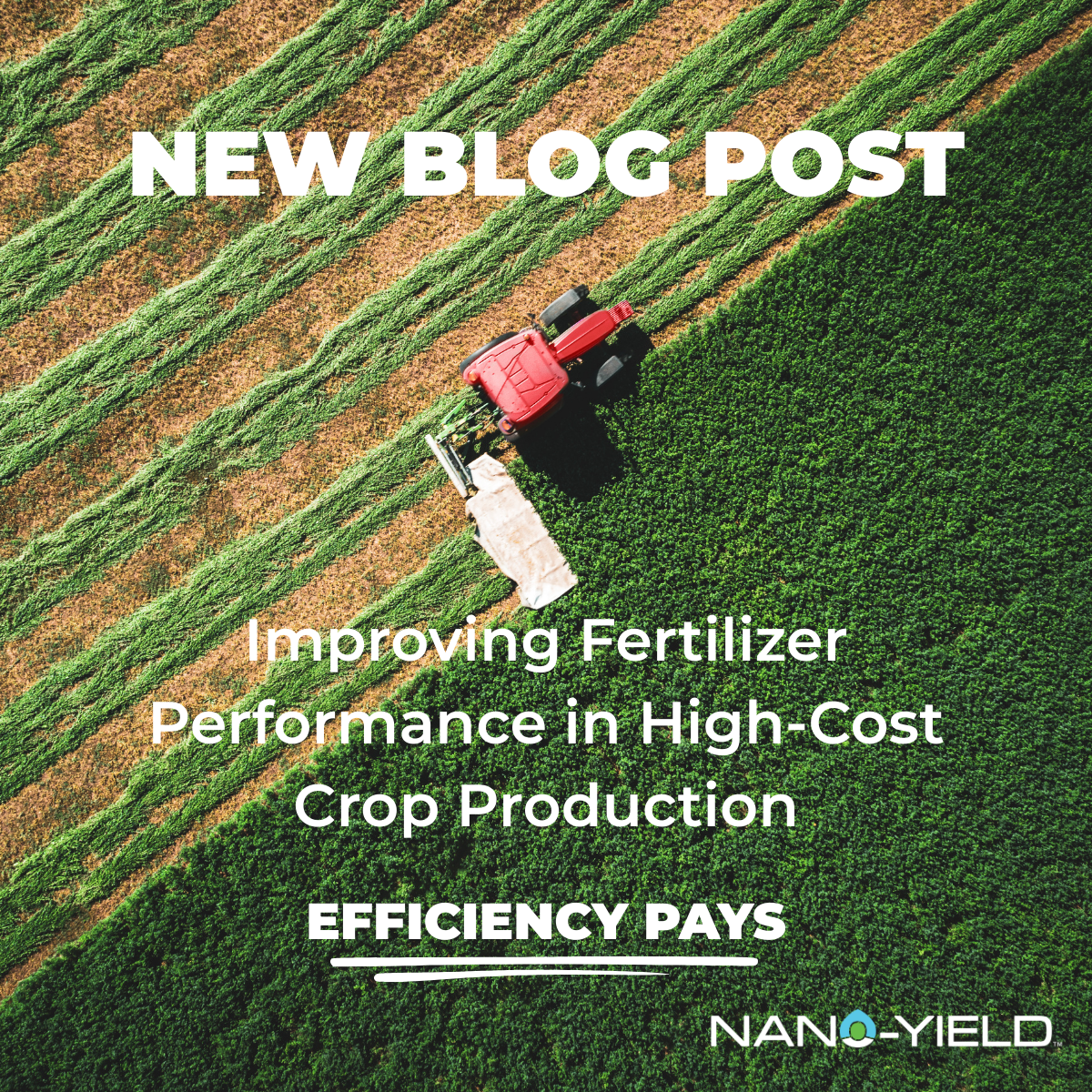
Crop production in 2026 is defined by one thing: input efficiency. Fertilizer prices remain elevated, machinery costs continue to rise, and margins are tighter than most growers would like. In this environment, the question isn’t whether fertilizer works — it’s how much of what you apply actually ends up in the plant.
For many operations, fertilizer is one of the single largest variable costs per acre. Improving how efficiently those nutrients are used is one of the most effective ways to protect profitability without sacrificing yield.
Fertilizer Costs Are Too High for Inefficiency
For major row crops like corn and soybeans, fertilizer programs can easily reach $130–$200 per acre, depending on rates, soil conditions, and crop needs. That investment assumes nutrients will be available when the crop needs them — but in practice, that’s not always the case.
Common challenges include:
- Nitrogen loss through volatilization, leaching, and denitrification
- Phosphorus fixation in many soil types
- Limited nutrient uptake during stress periods (cool soils, drought, compaction)
- Timing mismatches between nutrient availability and crop demand
Because of these risks, growers often apply fertilizer as an insurance policy — higher rates to protect yield. While understandable, this approach increases cost and doesn’t always improve nutrient use efficiency.
Nutrient Availability ≠ Nutrient Uptake
One of the most overlooked issues in fertility management is the difference between nutrients being present in the soil and nutrients being taken up by the plant.
Even well-designed fertilizer programs can underperform if nutrients aren’t accessible at the root zone or aren’t metabolized efficiently by the plant. That gap between application and uptake is where both yield potential and dollars are lost.
Improving fertilizer efficiency means focusing on:
- Uptake during critical growth stages
- Root access and nutrient mobility
- Plant physiological efficiency, not just soil test numbers
How Nano-Yield Fits into Modern Fertility Programs
Nano-Yield products are designed to enhance fertilizer performance, not replace existing fertility programs. They work alongside traditional inputs to help crops make better use of available nutrients.
From an agronomic perspective, the goal is straightforward:
- Improve nutrient utilization
- Reduce losses
- Increase consistency across varying field conditions
By improving the plant’s ability to access and use nutrients already in the system, Nano-Yield helps growers focus on efficiency rather than excess.
What Improved Efficiency Means in the Field
When fertilizer efficiency improves, the benefits show up in ways growers care about:
- More consistent crop response across soil types
- Better performance during early-season or mid-season stress
- Lower cost per bushel produced
- Greater confidence in fertilizer investment decisions
Rather than chasing yield with higher rates, efficiency-focused programs aim to optimize what’s already being applied.
Efficiency Is a Profit Strategy
With machinery costs, land expenses, and interest rates all working against margins, fertility programs are one of the few areas where growers can still gain control.
Improving efficiency doesn’t require reinventing your operation, it requires making smarter use of existing inputs.
That’s why Nano-Yield’s philosophy is simple and practical:
If more of your fertilizer ends up in the plant, fewer dollars are wasted.
In today’s cost environment, that matters.
Efficiency Pays
For growers and agronomists navigating high input costs, fertilizer efficiency is no longer just an agronomic goal — it’s a financial one.
Nano-Yield is built around that principle.
Efficiency Pays.
Have a question or want to learn more? Fill out the form below: