
Fall Tillage: Is It Worth It?
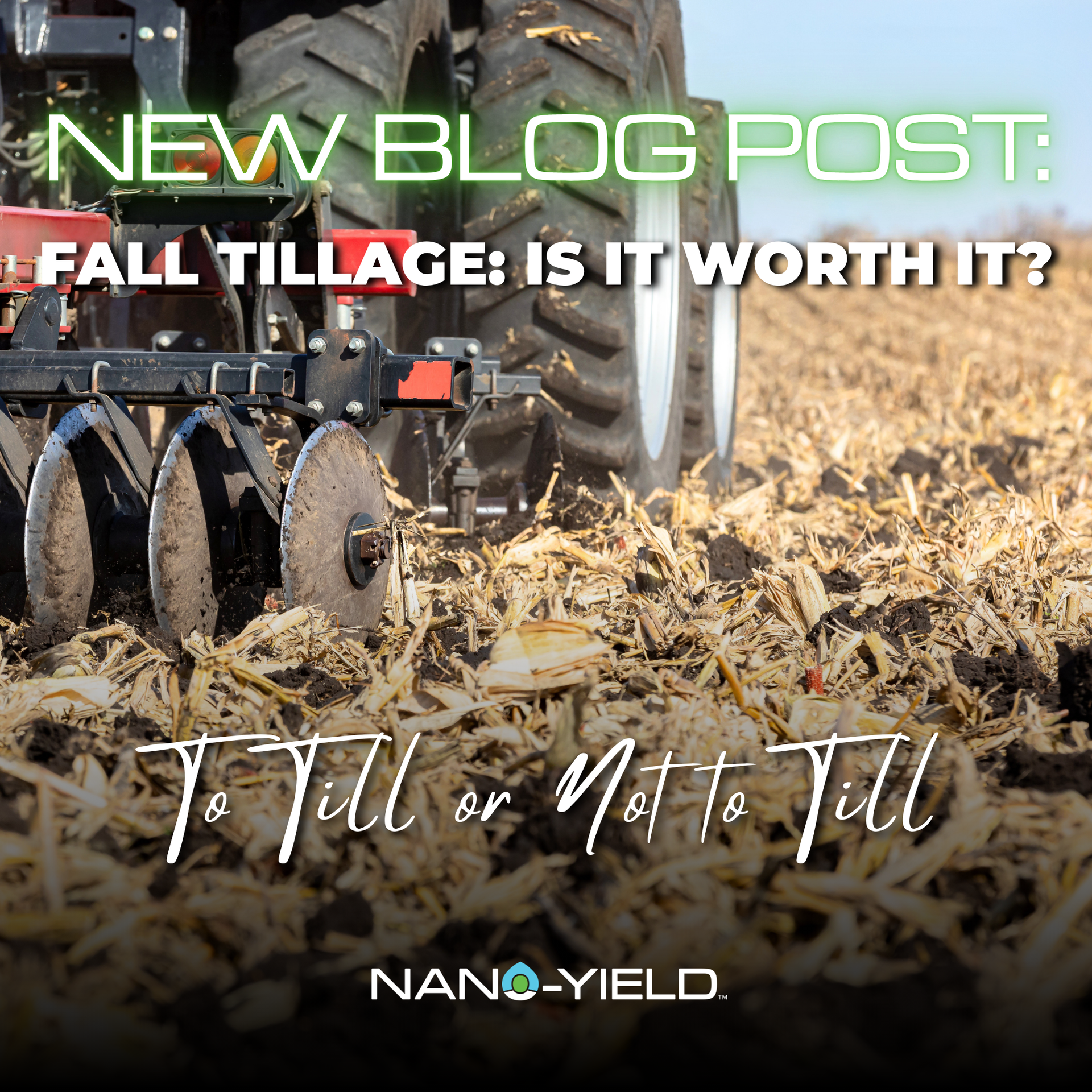
There are many topics that are always up for debate in agriculture. One of the most common is whether or not to till after harvest. While we’re not going to give you a definitive answer on what’s wrong or right, we will give you insights into the factors to consider before making that important decision.
Fall Tillage: Is It Right for Your Acres?
Fall tillage can be a tough decision for many growers. While results vary field by field, there are several potential benefits, including:
- Suitable seedbed: Tilling breaks up the soil, which can allow for better incorporation of nutrients and fertilizers.
- Control weeds: Tilling in the fall kills weeds and allows them to break down over the winter months.
- Reduce soil compaction: Harvest is a time of heavy field traffic. Fall tillage is a great option to address soil compaction.
- Manage residue: Fall tillage helps to break up, distribute, and manage any remaining field residue.
- Incorporate organic matter or nutrients: Tilling after harvest can help prepare the soil structure for next year’s crop.
Moisture and Compaction: Know Your Soil Conditions
Every field has unique soil, residue, and terrain characteristics. If you choose to till in the fall, it’s essential to pay attention to your soil conditions before entering the field.
Be sure to avoid tilling when soils have too much moisture. Heavy equipment on wet soils can result in compaction and damaged soil structure.
Protecting Soil Health and Preventing Erosion
On the flip side, excessive tillage can have negative effects as well. One of the most common concerns with fall tillage is increased erosion risk.
Bare soil surfaces after tilling can be prone to extreme
wind and water erosion. Always be mindful of highly erodible or sloped ground and use the best approach for each of your fields.
What Does Tillage Really Cost?
While tilling can be beneficial, it can also be quite costly in many aspects.
- Fuel: Especially with the high diesel prices we’re experiencing, fall tillage can be costly due to the additional fuel required for each pass.
- Time, labor, & opportunity costs: While fall tillage has its benefits, time in the field is time that could’ve been spent elsewhere
- Equipment maintenance: The more you run your equipment, the more maintenance it requires.
Questions to Ask Before You Till
When it comes time to decide on whether to till or not to till, be sure to ask yourself the following questions:
- What does the field actually need?
- How much residue is present?
- What are the soil moisture conditions?
- Is compaction an issue?
- What is the erosion risk?
- What are the expected fuel and labor costs?
- What will planting conditions look like next spring?
- What does my crop rotation call for?
Fall Management Goes Beyond Tillage: Use NanoCote®
While tillage is at the forefront of our minds, remember that it’s only a small piece of the puzzle when it comes to preparing for next season.
Fall dry fertilizer applications are another opportunity to improve nutrient efficiency. Use NanoCote to improve nutrient efficiency and availability, see up to a 3:1 ROI, reduce blending dust by up to 99%, and increase yields by 10-15%.
Fall is the time to set your operation up for success in 2027. Get more efficiency with Nano-Yield®.
Have a question or want to learn more? Fill out the form below: