
Ongoing advancements in the field of nanotechnology have created product solutions across many industries with applications for: targeted drug delivery, electronics, optics, material coatings, water filtration, and now - plant nutrition and pesticide uptake. Generally speaking, nanotechnology is an area of science whose aim is to harness the unique properties of materials by engineering them into nano-sized forms for novel uses. In agriculture, nanoparticles are especially effective when designed and engineered for enhancing both spray solutions and granular coatings to increase uptake of various chemistries. Though nanotechnology has been well studied and proven to increase agricultural yields, only now are professional turfgrass managers starting to employ new types of spray adjuvants and fertilizers enhanced by nanotechnology. As these new products enter the turfgrass arena, let's dive into their science to gain an understanding of what nanotechnology is and the benefits it can provide us.
An historic issue facing foliar liquid fertilizers has been low uptake efficiencies, likewise root uptake can be hampered by nutrient immobilization and environmental losses in the soil. After years of development, nanoparticle characteristics have been identified that combine to help solve these challenges in a highly effective, economical, and environmentally responsible way. Essentially, the most effective nanotechnologies offer solutions by using trillions of tiny porous nanoparticles which act like nutrient sponges. This army of sponges allows turfgrass more time to find and take up the applied nutrients, and a bigger payload when it does.
Nanoparticles (NPs) are typically defined as objects 10-100 nm in size (Figure 1), with unique properties that objects of larger sizes do not exhibit. The combination of small size, a porous texture, and a negative charge gives NPs their unique abilities. Specifically, they can load with nutrients and enter plant cells by multiple routes, ultimately delivering a nutrient payload at higher rates than plants would gain from similar spray solutions without NPs. The effect of size is a topic of extensive and active nanoparticle research and is usually viewed as the most critical factor in their function. Secondary, but also critical, are the effects of surface charge, texture, and shape. All such NPs characteristics are determined by the parent material and details of the synthesis method. Various techniques to synthesize nanoparticles have been developed in the last century and rapid advancement in nanotechnology continues to produce new processes for development and manufacturing. Most simply, nanoparticles can be engineered from parent materials by being either built up (bottom-up) or broken down (top-down) to reach the optimal size. Nanoparticles can be derived from many parent materials such as natural minerals, as well as metals, oxides, carbon-structures, and organics. Each choice contributes to the physicochemical properties of nanoparticles. Though NPs are indeed physical materials in nature, their small size imparts chemical-like properties. Within the limitations provided by the choice of material, characteristics such as size, texture, and charge can be manipulated to optimize the particle for a specific function.
As shown in Figures 2 and 3, nanoparticles first actively load the inputs in a spray solution and then deliver higher concentrations of those ingredients into the plant cells through a unique mode of uptake called endocytosis. Mesoporous silica-based nanoparticles (MSNs) hold tremendous relevance in modern agriculture due to their specific properties and associated applications. The company Nano-Yield uses a patented top-down synthetic approach to engineer silica-based nanoparticles, derived from natural minerals, into nanosized mesoporous spheres. These tiny silica-based spheres (30-100 nm), with meso-sized pores and channels function as carrier molecules; their porous structure and negative charge allows for the loading and encapsulation of smaller charged molecules. After entrapping a payload within their mesoporous channels, these nanoparticles are large enough to trigger a more active uptake by the plants, more effectively delivering those inputs than conventional methods allowing turfgrass managers to more efficiently deliver expensive inputs.
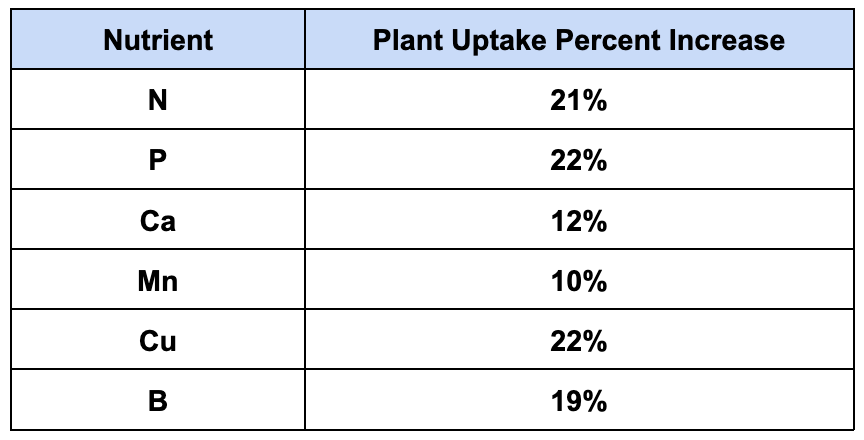
As noted a major issue of traditional foliar fertilizer applications can be poor nutrient uptake efficiencies. Standard turfgrass research estimates creeping bentgrass putting green turf has only 31-56% foliar N uptake (from a 5 g N/m2 application) within 8 hours of application, with little more occurring thereafter (Steigler et al., 2013; Chang et al., 2020). Research conducted at Texas A&M University measured nutrient uptake improvement in turfgrass when the product NanoCharge, which uses MSNs, was added to a spray solution. The study used 15N-labeled urea (0.2 lb. N/ 1000 sq. ft.) paired with a micronutrient solution to track and compare plant uptake. These nutrient solutions were applied to creeping bentgrass foliage either with or without NanoCharge at 0.2 oz/1000 sq.ft. (8.7oz per acre). After applying, turf samples were analyzed for percent differences between those fertilizers treated with NanoCharge vs. the fertilizer alone. Results showed a significant nitrogen increase in the turfgrass that included NanoCharge in the spray solution, and also phosphorus and calcium uptake (Table 1). These results were the first to quantify the benefits of NanoCharge as a technology for improving nutrient uptake and use efficiencies on turfgrass. Such improvements in nutrient and active ingredient uptake with nanotechnology can help turfgrass managers: optimize plant health, save money, and reduce environmental losses.
In summary, nanoparticles have emerged as a revolutionary tool, offering a multitude of functional applications today and on the horizon to address some of the most pressing challenges in many industries, including now professional turfgrass management.
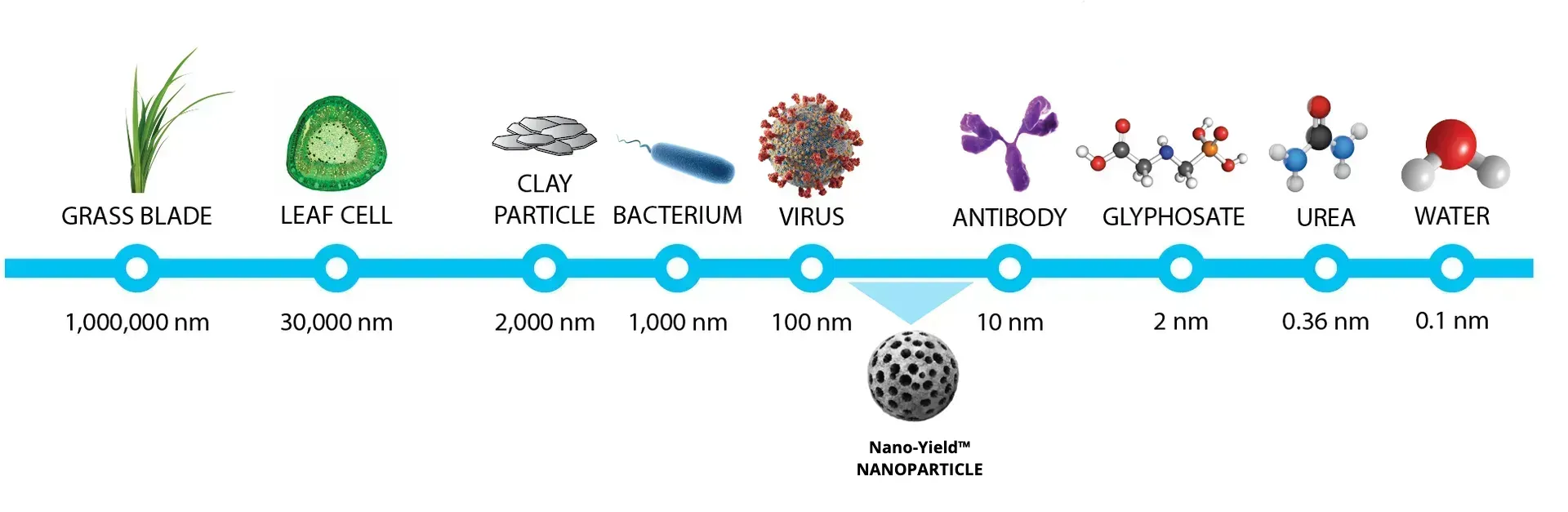
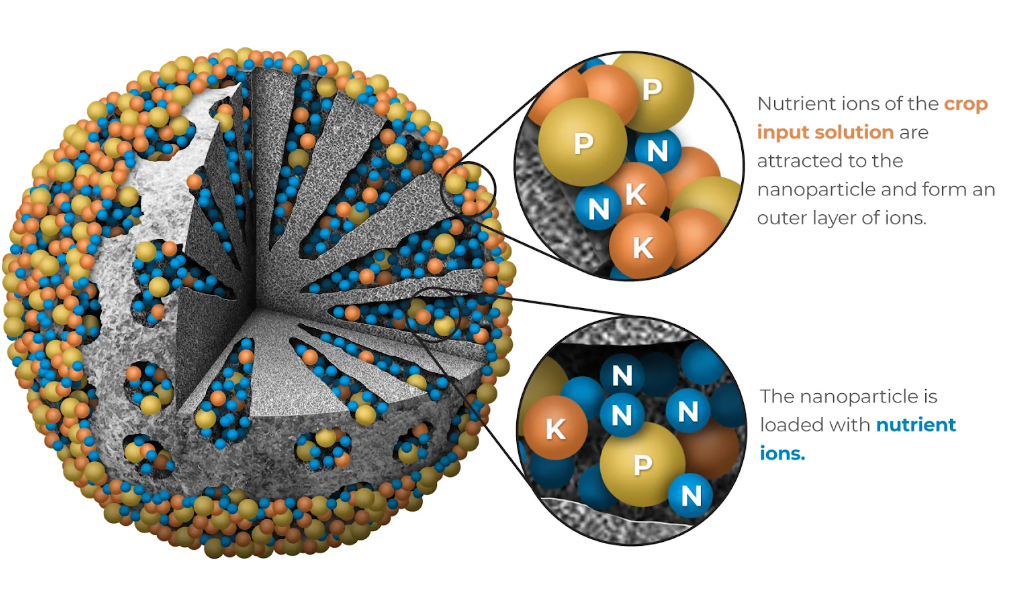
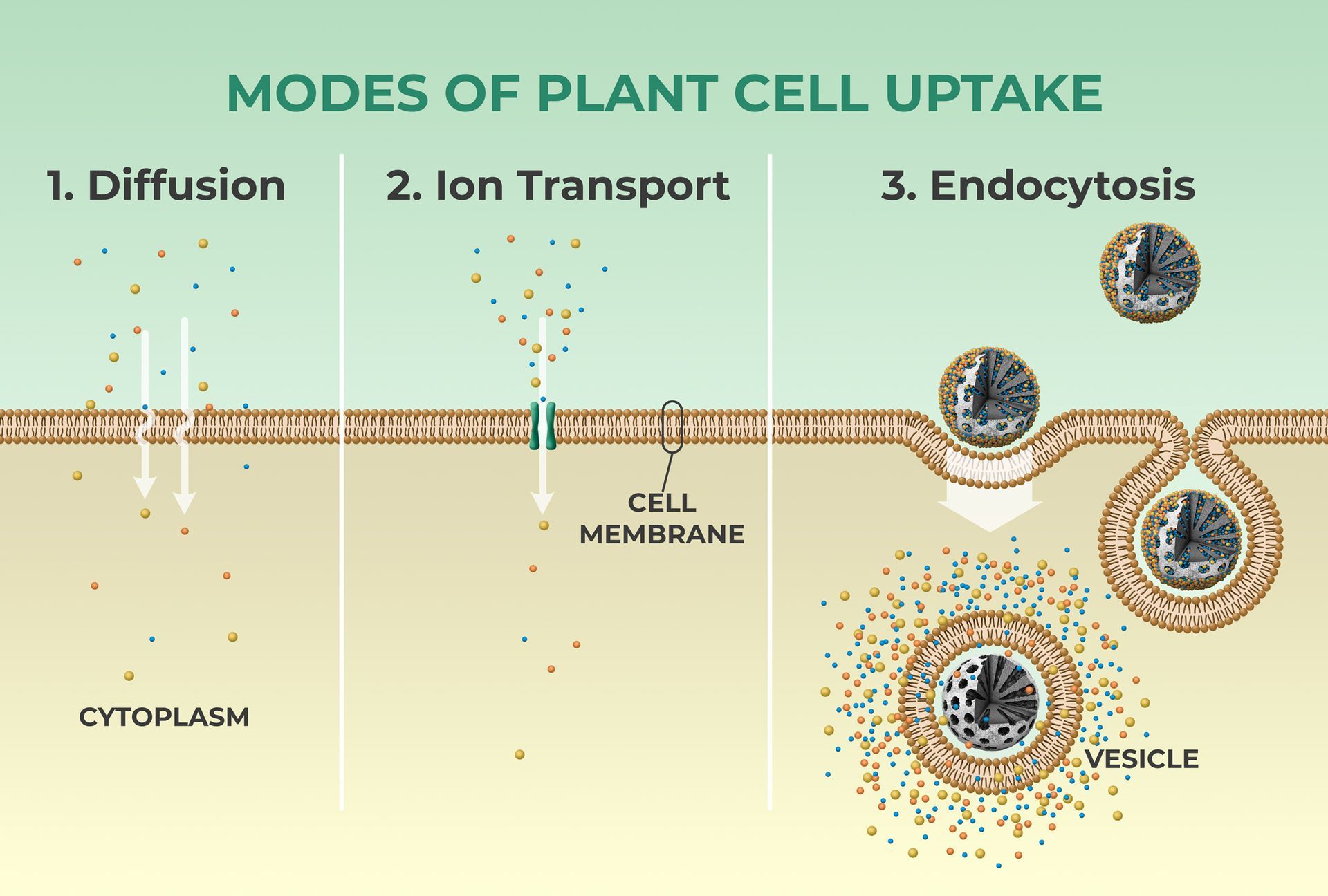
Table 1. Whole plant percent uptake of nutrients which were paired with NanoCharge vs. the same nutrients applied without NanoCharge.
Have a question or want to learn more? Fill out the form below: